
Verifying Electric Bill Payments in Digital Systems
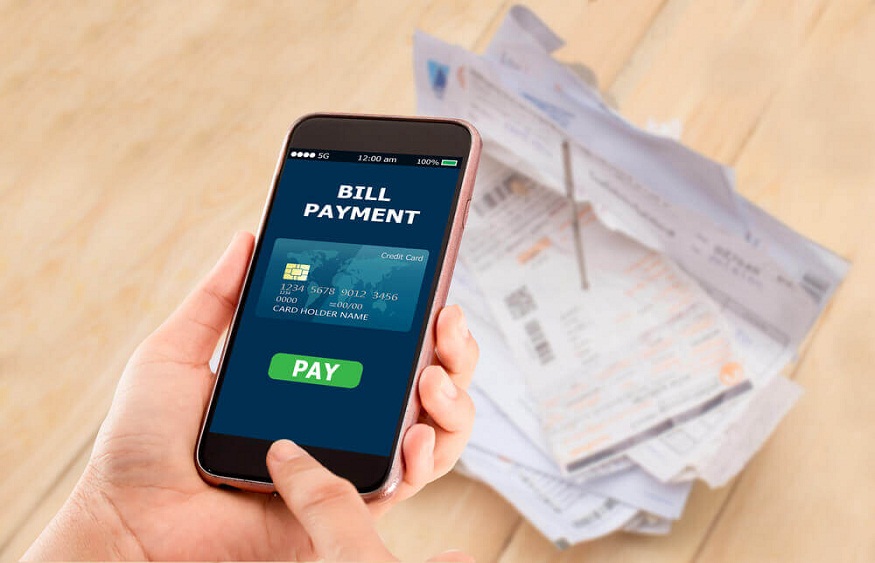
The transition from traditional paper billing to digital management has changed the way we interact with our utility providers. Most people now handle their monthly obligations through a few clicks on a smartphone or a computer. While this shift offers incredible convenience, it also requires a new set of habits to ensure that every transaction is processed correctly and recorded accurately.
Verifying your transactions is no longer about filing a physical receipt in a drawer. It involves navigating digital portals, understanding transaction statuses, and cross-referencing data between different platforms. Developing a consistent routine for verification can prevent service interruptions and help you maintain a clear picture of your household finances.
The Evolution of Utility Management
The way we handle an electric bill payment has evolved significantly over the last twenty years. In the past, the process was linear and physical. You received a bill, wrote a check, and mailed it back. The verification happened when you saw the canceled check in your monthly bank statement. Today, the process is much faster and happens across various digital layers.
Digital systems allow for real-time updates and immediate feedback. However, the complexity of these systems means that a payment can sometimes get stuck in a processing state. This is why understanding the digital trail is so important for modern homeowners. You are no longer just a consumer; you are the manager of your own digital financial records.
Immediate Confirmation and Transaction IDs
When you initiate an electric bill payment, the first point of verification is the confirmation screen. This page usually appears immediately after you click the submit button. It serves as the initial proof that your request has been received by the system. Most platforms will display a unique transaction ID or a confirmation number.
Read More : Escaping The Boardroom: Why Offsite Meeting Spaces Spark Better Ideas
This number is a vital piece of data. It acts as a digital fingerprint for that specific transaction. If there is ever a dispute or a technical glitch, this ID is what the support team will use to track down your funds. It is a good practice to take a screenshot of this page or write the number down. Even if the system is supposed to send an email, having a manual backup provides peace of mind.
The Role of Automated Email Receipts
Most digital payment systems are programmed to send an automated email receipt shortly after a transaction is completed. This email is a formal record of your bill payments and should be kept for your records. It typically includes the date, the amount paid, the account number, and the estimated time for the payment to post to your balance.
If you do not receive an email within an hour of making a payment, it is worth investigating. Check your spam folder first, as automated messages are sometimes flagged by filters. If the email is nowhere to be found, it might indicate that the transaction did not go through or that there is a typo in your contact information. This secondary layer of verification is a simple but effective way to catch errors early.
Navigating the Online Account Portal
The most reliable way to verify your status is by logging directly into your utility provider’s online portal. Most companies offer a dashboard that shows your current balance and a history of recent activity. After you make a payment, you should see the transaction reflected in your history.
It is important to note that there is often a delay between the moment you pay and the moment the balance updates. Some systems update instantly, while others may take twenty four to forty eight hours to reflect the new balance. If you see a status labeled as pending, it means the system has acknowledged the payment but is waiting for the funds to clear. Regularly checking this portal helps you stay informed about your account standing.
Cross-Referencing with Bank Statements
Your bank account is the ultimate source of truth for your outgoing funds. To fully verify an electric bill payment, you should check your bank statement or mobile banking app. Look for the specific line item that corresponds to the utility company. This confirms that the money has actually left your account.
Read More : Carbon Black: Properties, Uses, and Importance in Modern Industry
Sometimes, a payment might show as successful on the utility website but fail at the bank level due to insufficient funds or a blocked card. Conversely, the bank might show the money as gone, but the utility company has not yet credited it. By comparing both records, you can identify these discrepancies. If the amounts do not match or if a payment appears twice, you can take action before the next billing cycle begins.
Understanding Processing Times and Delays
Digital payments are fast, but they are not always instantaneous. Various factors can influence how long it takes for bill payments to fully clear. If you pay on a weekend or a public holiday, the banking system might not process the transfer until the next business day. This can lead to a gap of several days where the money is in limbo.
Understanding these timelines prevents unnecessary stress. Most utility providers acknowledge this delay and will not charge late fees if the payment was initiated before the due date. However, if a week passes and the payment still has not posted, it is time to contact the provider. Having your digital records ready will make this process much easier.
Troubleshooting Missing or Failed Payments
Despite the efficiency of digital systems, errors can occur. A payment might fail because of an expired credit card, a change in banking regulations, or a simple server error. If you discover that a payment was not successful, the first step is to determine why. Most portals will provide a reason for the failure, such as an incorrect account number or a declined authorization.
If the money has left your bank account but is not showing up on your utility balance, you will need to provide proof of payment. This is where your transaction ID and bank statement become essential. You can usually upload these documents through a secure chat or email them to the customer service department. Most issues are resolved quickly once the provider can see the digital trail of the funds.
Maintaining a Personal Digital Archive
Relying solely on the utility company to keep your records is a risky strategy. Systems can go down, and historical data might only be available for a limited time. A better approach is to maintain your own digital archive of all bill payments. You can do this by saving your monthly statements and receipts as PDF files in a secure folder.
Organizing these files by year and month makes it easy to track your energy consumption trends. It also provides a solid backup in case you ever need to prove your payment history for a rental application or a home sale. Taking a few minutes each month to organize these files ensures that you are always in control of your financial data. This proactive habit is the final step in mastering the verification of electric bill payments in a digital world.