

Understanding Ltl Freight Rates: What You Need To Know
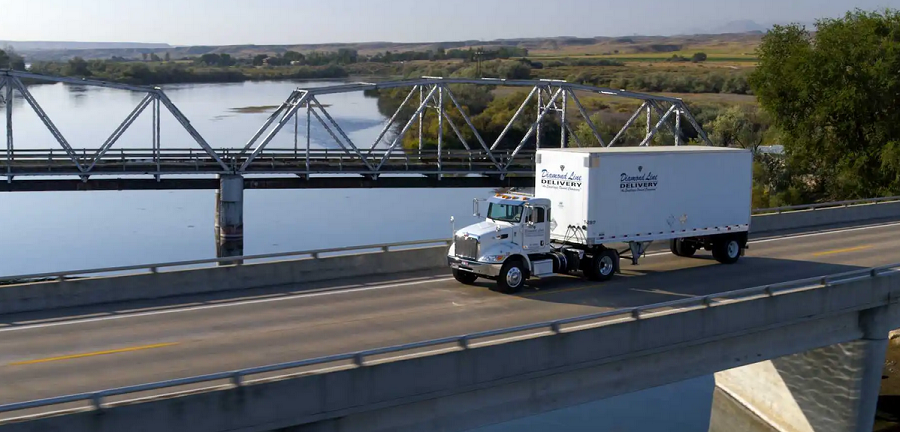
Navigating ltl freight rates doesn’t have to feel overwhelming. You need clear answers to make informed decisions. Understanding these rates helps you optimize your shipping costs and improve your business efficiency. Shipping smaller loads means paying attention to factors that influence pricing. Factors include shipment size, distance, and demand. You often face fluctuating rates due to seasonal changes and market conditions. Recognizing these shifts allows you to plan better. You can also negotiate rates with carriers. Building strong relationships with them can lead to better deals over time. Consider joining a freight class to further reduce costs.
Read More: Complete Guide to Evaluating Public Issues Before Investing
Prioritize transparency and simplicity. Knowing these basics empowers you to make strategic choices and protect your bottom line. Remember, every dollar saved in shipping can boost your profits. Understanding ltl freight rates ensures you stay competitive and informed. This knowledge gives you a real edge in today’s fast-paced market.
Key Factors Influencing Ltl Freight Rates
Understanding the factors that influence ltl freight rates is essential. Firstly, shipment size plays a significant role. Larger shipments often equate to lower costs per unit. Next, consider the distance your shipment travels. Longer distances typically mean higher rates. Additionally, demand affects pricing. High demand periods can lead to increased rates. By anticipating these factors, you can manage costs better.
Here’s a simple comparison of these factors:
| Factor | Impact on Rates |
| Shipment Size | Smaller loads may incur higher costs per unit |
| Distance | Longer distances usually mean higher costs |
| Demand | Higher demand can increase rates |
Strategies for Negotiating Better Rates
Effective strategies can help you negotiate better rates. Start by building strong relationships with carriers. Reliable partnerships can lead to consistent discounts. Always compare multiple quotes. This ensures you find the most competitive rates. Use your shipment volume as leverage. Higher volumes often attract discounts. Consider consolidating shipments to increase your bargaining power.
The Role of Freight Classes
Freight classes impact your shipping costs significantly. Classes categorize shipments based on density, handling, and liability. Lower classes typically mean lower rates. Accurately classifying your shipment can reduce costs. Carriers appreciate accurate information, which helps avoid unexpected charges. For more information on freight classes, visit the National Motor Freight Traffic Association.
Optimizing Your Shipping Strategy
Optimizing your shipping strategy requires focus on efficiency. Start by analyzing your shipping patterns. Identify peak periods and adjust your schedule accordingly. Use technology to track shipments and monitor rates. Automation can streamline your processes, saving time and money. Consider hiring a logistics consultant. Their expertise can uncover hidden savings and improve your operations.
Preparing for Unexpected Costs
Unexpected costs can impact your budget. Be prepared by setting aside a contingency fund. This provides a buffer for unforeseen expenses. Regularly review your shipping expenses.
Read More: How Digital Investing Is Reaching Every Corner of Modern India
This helps you identify patterns and adjust your budget accordingly. Transparency with carriers about your budget constraints can also lead to negotiated savings.
Understanding the Market
The freight market is dynamic. Keeping an eye on market trends helps you anticipate rate changes. Political, economic, and environmental factors all influence the market. Stay informed by following industry news and reports. The U.S. Department of Transportation is a valuable source for the latest transport regulations and updates. Informed decisions position your business for success.
Conclusion
Understanding ltl freight rates gives you control over shipping costs. You enhance efficiency and protect your bottom line. By considering key factors, negotiating smartly, and optimizing strategies, you remain competitive. Stay informed and prepared to tackle the challenges of today’s freight market. Every effort you make strengthens your business, ensuring it thrives in a rapidly changing world.