
Himalayan Mega Trails of Nepal: Annapurna Circuit, Mardi Himal, Everest Three Passes & Everest Base Camp Complete Guide
Nepal mountain journeys always feel like something not normal life; it hits different when you walk between sky and earth. This article talks about four big trekking routes: the Annapurna Circuit Trek, the Mardi Himal Trek, the Everest Three Passes Trek, and the Everest Base Camp Trek. All routes have different moods, different difficulties, and different kinds of beauty. Someplace quiet like a dream, someplace rough like a strong wind hitting your face nonstop.
Travelers come for the mountains, but they stay in memory of silence, prayer flags, cold air, and tea house light. Not perfect roads, not perfect plans, but still a perfect experience somehow.
Introduction to Four Giant Trek Routes
These four treks are like the backbone of the Nepal trekking world. On one side you’ve got long-distance adventures, and on the other side, short but sharp beauty trails. The Annapurna Circuit is a long circular journey; Mardi Himal is a short ridge walk; Everest Base Camp is a classic dream path; and the Everest Three Passes is a hardcore extreme version.
Weather changes fast, paths change slowly, and people change too. You start as a normal traveler but come back a little different inside. That’s a normal story here.
Big mountains always stand silent, but they talk when you walk near them.
Annapurna Circuit Trek – Long Circle of Everything
The Annapurna Circuit Trek is one of the longest classic trekking routes in Nepal. It goes around the big Annapurna mountain range like a full circle. You see a river, jungle, desert-like place, and snow pass all in the same journey. Strange but true.
Start at a low point, usually a village, and slowly go high. Thorong La Pass is the main highlight, very high and very cold. Wind there is like pushing you back, but people still go forward. No proper reason sometimes, just human will.
Read More: Everest Base Camp: The Ultimate Bucket List Adventure
Villages on the way feel alive. Small tea houses, warm dal bhat, smiling local people. Not luxury, but it feels more real than a hotel.
This trek is not a fast one. It takes time; body and mind both adjust slowly. You walk many days, sometimes tired, sometimes excited, and sometimes both together.
Landscapes change like chapters of a book. One day a green rice field, the next day dry mountain rockland. It confuses the eyes but makes the heart happy.
Mardi Himal Trek – Short But Sharp Beauty
The Mardi Himal Trek is a short trek but has a very strong impact. It sits under the shadow of the Annapurna range but is still a very powerful viewpoint. Many people underestimate it, but later they are shocked by how beautiful it is.
The trail goes through the forest first, rhododendron trees, and misty air. Then slowly open the ridgeline, and boom—big mountains appear very close, like you can touch them.
The base camp area is small, but the view is huge. Annapurna South and Machhapuchhre look very close, almost unreal. Morning sunrise hit snow peaks, and the whole sky turned golden.
Not a very hard trek, but some steep climbing parts make legs cry a little. Still manageable for a normal-fit person.
Weather is sometimes tricky; clouds come and go like fast mood changes. One minute clear, the next minute everything is white fog.
This trek feels like a short story and a strong memory.
Everest Three Pass Trek – Extreme Mountain Challenge
The Everest Three Pass Trek is not a normal trekking route. It is a hardcore mountain loop with three high passes. Kongma La, Cho La, and Renjo La. Names sound simple, but reality is not simple at all.
This trek goes deeper into the Everest region. You don’t only see the Everest Base Camp area but also hidden valleys, glaciers, and remote villages.
Walking here is slow, and strong effort is needed. Some days are very long and very cold. Oxygen is low, steps are heavy, and the mind is also tired sometimes.
But the view reward is unbelievable. The Gokyo Lakes look like blue mirrors in the mountain world. Everest from different angles looks again and again like a changing giant face.
Not everyone can do this trek, but those who complete it feel like they level up in life.
The path is rough, but silence is powerful. No traffic, no city noise, only wind and snow sound.
Everest Base Camp Trek – Dream Path of Many Travelers
The Everest Base Camp Trek is the most famous trekking route in Nepal. Many people dream of it a long time before coming. It is not too technical but still a high-altitude challenge.
The route starts from Lukla flight, a small, scary airport sometimes, but exciting also. Then the trail goes through Namche Bazaar, Tengboche Monastery, and many Sherpa villages.
Namche is like a small mountain town with cafes and gear shops. You rest there and adjust your body. Then the trek continues higher slowly.
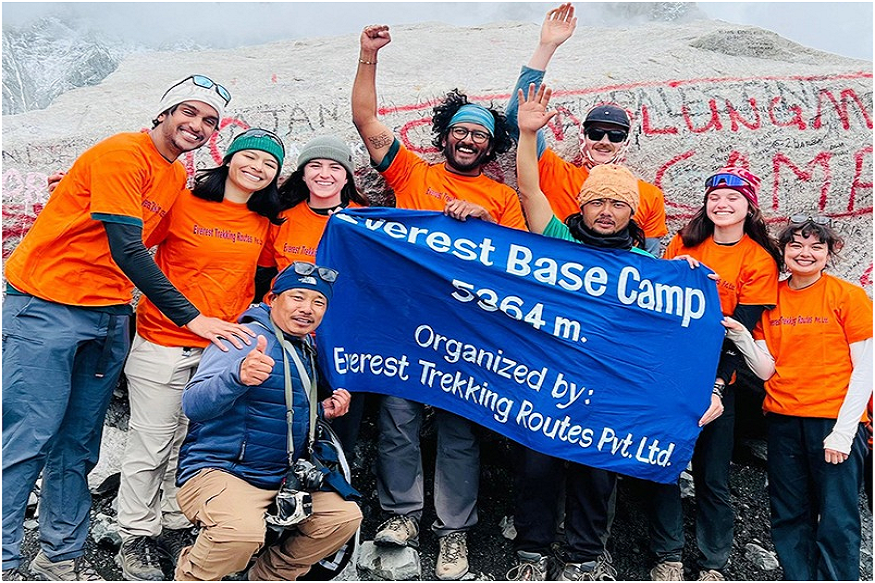
Everest Base Camp itself is not very green; it’s more rocky glacier land. But standing there gives a feeling like the world’s highest mountain is close enough to touch imagination.
The Kala Patthar viewpoint is the main sunrise spot. Everest’s peak shines in early morning light like golden stone.
This trek is emotional more than physical. Many people cry, smile, are tired, and are happy all mixed together.
Comparison Between All Four Treks
All four treks have different personalities like human types.
- The Annapurna Circuit is a long, wise trail.
- Mardi Himal is a short-beauty photographer.
- Everest Base Camp is a dream chaser.
- Everest Three Pass is an extreme warrior.
Difficulty level also changes a lot. Mardi Himal is the easiest; Annapurna is moderately long; Everest Base Camp is moderately hard; and Three Passes is very hard.
Time is also important. Some take 5–7 days; some take 18–22 days or more.
If someone wants a soft entry, Mardi Himal is good. If you want the full experience, the Annapurna Circuit is best. If the dream is Everest, go to Base Camp. If crazy adventure feeling, Three Pass is final boss.
Best Time and Weather Reality
The best times are mostly spring and autumn. Sky clear, mountain visible, weather stable mostly. But never 100% stable in the Himalayas.
Winter is very cold; snow blocks paths sometimes. Monsoon rain is heavy; landslides are possible in lower regions.
Weather in the mountains behaves like mood swings. One hour of sunshine, the next hour fog and wind.
So always prepare a flexible mindset, not fixed expectations.
Food, Stay, and Local Life
Tea houses are a mainstay system on all treks. Simple room, shared bathroom sometimes, warm blankets if lucky.
Food is mostly dal bhat, noodles, soup, and potatoes. It tastes simple, but the energy is strong. You eat, and you walk again—same cycle.
Local people are mostly Sherpa and Gurung communities in different regions. They are very kind and calm. They live a hard life, but their smile is still real.
Trekking Tips and Safety Feel
Altitude sickness is a real issue. Go slow, drink water, and rest properly. There’s no rush or competition here.
Carry a light bag, but include warm clothes. Weather changes anytime.
A guide and porter help a lot, especially in long or high treks. Not just carrying a load, but also safety support.
Read More: The Investment Advantage: Why Wally Yachts Are a Top Choice
Insurance is important because the mountain area is unpredictable.
Conclusion
These four treks are like four different moods of the Himalayan world. The Annapurna Circuit Trek gives a long, circular journey feeling, while the Mardi Himal Trek gives short, strong mountain beauty in less time. Then the Everest Base Camp Trek brings the dream close to a real standing point, and the Everest Three Passes Trek tests the full strength of body and mind together. Every route is not the same, but all give deep memories that stay a long time. Walking on these paths is not only traveling; it also changes thinking slowly. Mountains do not speak loud, but they teach patience, silence, and respect. After coming back, normal life feels a little different, like something inside is still walking in high wind.
FAQs
- Which trek is best for beginners in Nepal?
The Mardi Himal Trek is best for beginners because it is a short, simple, and not very technical route. - How difficult is the Annapurna Circuit Trek?
It’s moderate to hard because long days of walking and high pass crossings are required. - Is the Everest Base Camp Trek safe for normal people?
Yes, mostly safe, but altitude problems can happen, so a slow walk and proper rest are needed. - What is special about the Everest Three Pass Trek?
It includes three high mountain passes and very remote areas with extreme adventure feelings. - How many days are needed for the Annapurna Circuit Trek?
Normally 12 to 18 days depending on the route and walking speed. - Which trek gives the best mountain view in a short time?
The Mardi Himal Trek gives a very close and clear mountain view in a short duration.
Contact Details
——————————–
Everest Trekking Routes Pvt. Ltd.
16 Khumbu, Nayabazaar, Kathmandu, Nepal
Mobile: +977-9843467921 (Rabin)
Email: [email protected]
URL:– www.everesttrekkingroutes.com