
Use Of VR Crisis Intervention Training in Workplace Emergency Preparedness
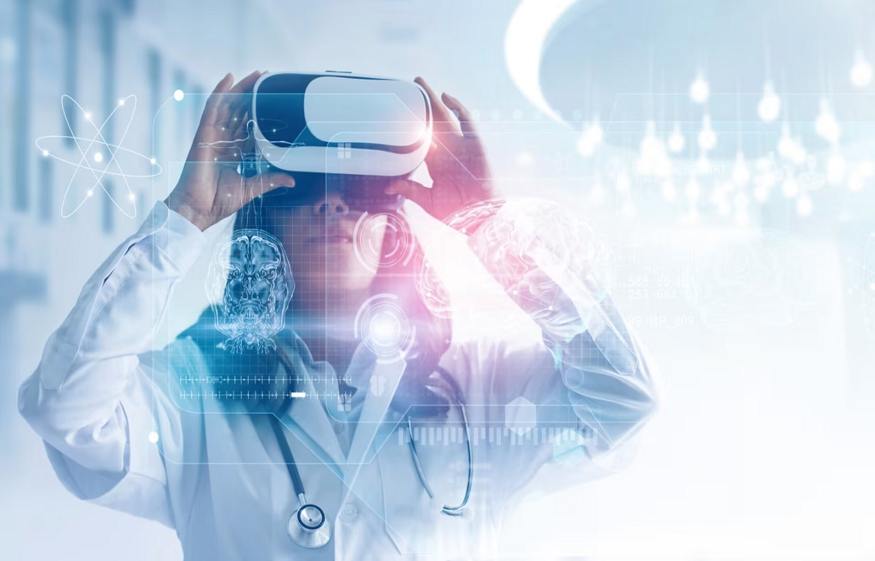
Workplace training is changing rapidly as organizations adopt new technologies to make learning more practical, engaging, and effective. Among the most promising developments is use of VR crisis intervention training.
Traditional workplace training often relies on classroom presentations, manuals, videos, and periodic emergency drills. While these methods can explain procedures clearly, they may not fully prepare employees for the confusion, pressure, and uncertainty that can accompany a real crisis. This is where virtual reality or VR crisis intervention training can provide a valuable advantage. By placing employees inside realistic virtual scenarios, VR allows them to practice responding to emergencies without exposing them or others to actual danger.
Benefits of VR crisis intervention training in modern workplaces
One of the most important benefits of VR crisis intervention training is its ability to recreate challenging situations in a controlled environment. Employees can be placed in simulated emergencies that would be difficult, expensive, or unsafe to reproduce during conventional training sessions. For example, a virtual scenario could involve a workplace fire, equipment malfunction, accident, security incident, medical emergency, or another unexpected event. Participants must assess the situation and determine what action to take based on the circumstances presented to them.
The immersive nature of VR makes training more experiential. Employees are not simply listening to someone describe what they should do. They are actively interacting with their surroundings and responding to events as they unfold. This can make emergency procedures easier to understand and apply.
Knowing the correct emergency procedure and successfully applying it during a stressful situation are two different things. During a real crisis, fear, confusion, noise, uncertainty, and time pressure can affect a person’s ability to process information and make decisions. VR crisis intervention training gives employees an opportunity to experience simulated pressure before they encounter a comparable situation in the real world. Repeated practice can help participants become more familiar with emergency protocols and develop greater confidence in their ability to respond. As employees encounter challenging scenarios multiple times, they can gradually become more comfortable assessing situations and taking appropriate action. This preparation may help reduce hesitation and encourage a more structured response when an actual emergency occurs.
Mistakes are an important part of effective training, but allowing employees to make serious errors during a real emergency is obviously not an option. VR creates a safe space where participants can make decisions, experience simulated outcomes, and learn from incorrect choices.
If an employee selects an inappropriate response during a simulation, trainers can review what happened and explain how a different decision could have changed the outcome. The participant can then repeat the scenario and try another approach. This process turns mistakes into learning opportunities.
Read More: Complete Guide to Evaluating Public Issues Before Investing
Emergencies rarely unfold exactly according to a predetermined script. Conditions can change quickly, requiring employees to reassess the situation and modify their response. Effective crisis preparation therefore involves more than memorizing a checklist. VR simulations can introduce changing circumstances that require participants to observe their environment, identify risks, prioritize tasks, and react to new information. This dynamic environment can help strengthen situational awareness. Employees learn to pay attention to what is happening around them rather than focusing exclusively on a single procedure.